

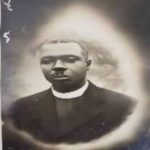
Kofi Baako
-
- October 12, 2026

Kofi Baako was a nationalist, journalist, politician, educator and accomplished sportsman whose life became closely intertwined with Ghana’s struggle for independence and the early years of nation-building under Osagyefo Dr. Kwame Nkrumah.
His story is one of political conviction, public service, sporting excellence and a dramatic fall from power following the overthrow of Ghana’s first president in 1966.
Born in 1926, Kofi Baako received his education at St. Augustine’s College in Cape Coast. From a young age, he developed a keen interest in politics and journalism, eventually becoming an active supporter of the independence movement led by Kwame Nkrumah.
For Baako, journalism was more than a profession. It was a means of challenging colonial rule, mobilising public opinion and advocating for self-government. Through his journalistic activities and political involvement, he became part of the growing nationalist movement that sought to end British colonial rule on the Gold Coast.
His commitment to the independence struggle brought him into conflict with the colonial authorities. He was imprisoned alongside Nkrumah and other prominent leaders of the Convention People’s Party (CPP), joining a group of nationalists who were willing to sacrifice their freedom for the cause of independence.
When Ghana finally attained independence on 6 March 1957, Baako was among the young political figures who moved from the struggle against colonialism into the leadership of the newly independent nation.
Following independence, Baako was elected Member of Parliament for Saltpond and appointed Minister for Information and Broadcasting.
At just 29 years old, he became one of the youngest cabinet ministers in the British Commonwealth. This achievement reflected both his political influence and the confidence Nkrumah placed in him.
As Information Minister, Baako played an important role in communicating and defending the government’s policies at a time when the young nation faced significant political challenges. His background in journalism made him particularly well suited to a position at the centre of public communication and political debate.
His influence within the CPP continued to grow. He served as the party’s General Secretary and became associated with its socialist wing. He also served as Parliamentary Leader of the National Assembly, further cementing his position among the country’s influential political figures.
Baako’s political career reached another important milestone in September 1961, when he became Minister for Defence, a position he held until February 1966.
In that role, he represented Ghana in continental defence affairs at a time when newly independent African countries were increasingly exploring ways to strengthen cooperation and protect their sovereignty. In 1963, he presided over a meeting of the African Unity Defence Commission in Accra, reflecting Ghana’s prominent role in the wider Pan-African movement.
From information and broadcasting to defence, Baako occupied positions of considerable responsibility during a formative period in Ghana’s history.
Yet, Kofi Baako was not defined by politics alone.
Away from the cabinet room and parliamentary debates, he was known for his exceptional sporting abilities. He was an accomplished footballer and cricketer and also became a national table-tennis champion.
His achievements across different sporting disciplines made him a distinctive figure in Ghanaian public life. At a time when the country was building its national identity after colonial rule, sport played an important role in fostering pride, unity and a sense of shared national purpose.
Baako’s versatility set him apart. He was a man who could move from political discussions and matters of national defence to the sporting field, earning recognition in different spheres of society.
For many young Ghanaians, his sporting accomplishments offered another reason to admire him. His life demonstrated that talent, ambition and discipline could find expression in more than one field.
Baako’s political fortunes changed dramatically on 24 February 1966, when a military coup overthrew Nkrumah’s government while the president was on a state visit to China.
The coup marked a decisive turning point in Ghana’s political history and brought the careers of several leading figures in the Nkrumah administration to an abrupt end.
As a prominent member of the former government, Baako was among those whose political influence was swept away by the change of power. Properties associated with him were subsequently auctioned, marking a difficult chapter in the life of a man who had once held one of the country’s most powerful ministerial positions.
The events of 1966 transformed the political landscape in which Baako had built his career. The nationalist movement that had brought him into public prominence had given way to a new political order, leaving many former government officials facing an uncertain future.
For Baako, the coup effectively ended his time at the centre of national political life.
Kofi Baako died in 1984 at the age of 58.
He was also the father of renowned Ghanaian journalist Kweku Baako Jnr.
